Start with load, aisle, and lift height
Define the heaviest routine load and its dimensions, then measure the narrowest aisle and lowest doorway or header. These three numbers narrow the class and mast configuration. Many Davenport warehouses use high-density storage where right-angle stacking dimensions control selection as much as capacity.
Floor conditions and tires
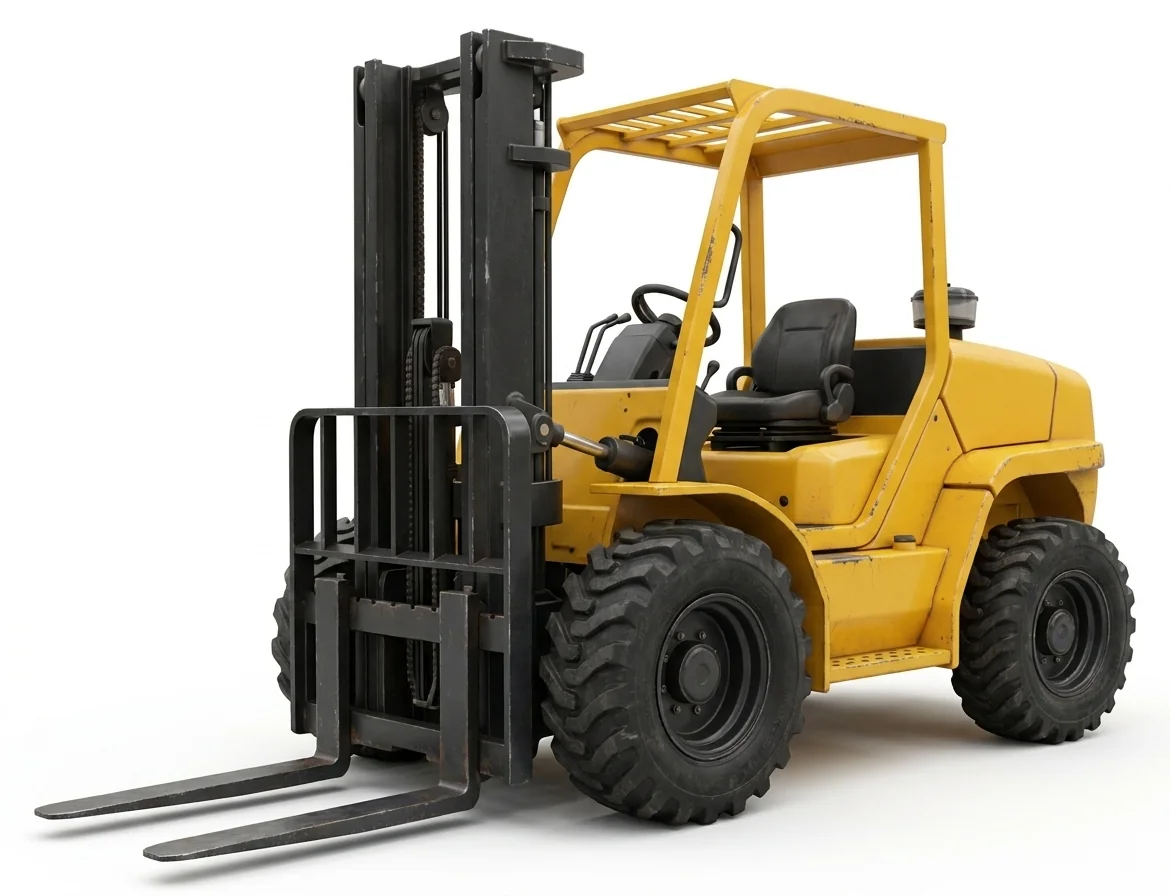
Smooth, cured slab favors cushion tires and electric or LPG power. Mixed indoor–outdoor runs, especially across damp aprons or compacted gravel, lean toward pneumatic tires and protective features. Seasonal humidity can leave dock areas slick, so approach paths and braking distances should be part of the planning conversation. Elevated or exterior activities remain governed by actual site conditions, the unit’s instructions, and facility procedures.
Power and ventilation
Local interiors with limited ventilation often favor electric forklifts to reduce emissions and noise. Where shifts run long with outdoor segments, LPG or diesel may align better with fueling logistics—balanced against indoor air rules.
When a forklift isn’t the right tool
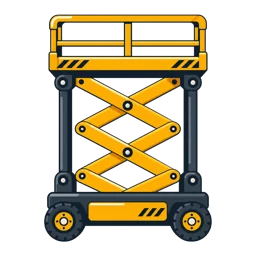
If pallets must land at height beyond rack fronts or over setbacks, a telehandler or an aerial platform may be more practical. For vertical personnel access on slab, see electric scissor lifts; for exterior elevated access on uneven ground, see rough‑terrain scissors or booms.
Related planning pages: /telehandler-rental/, /electric-scissor-lift-rental/, /rough-terrain-scissor-lift-rental/, /aerial-lift-rental/.