Placement surface and drainage
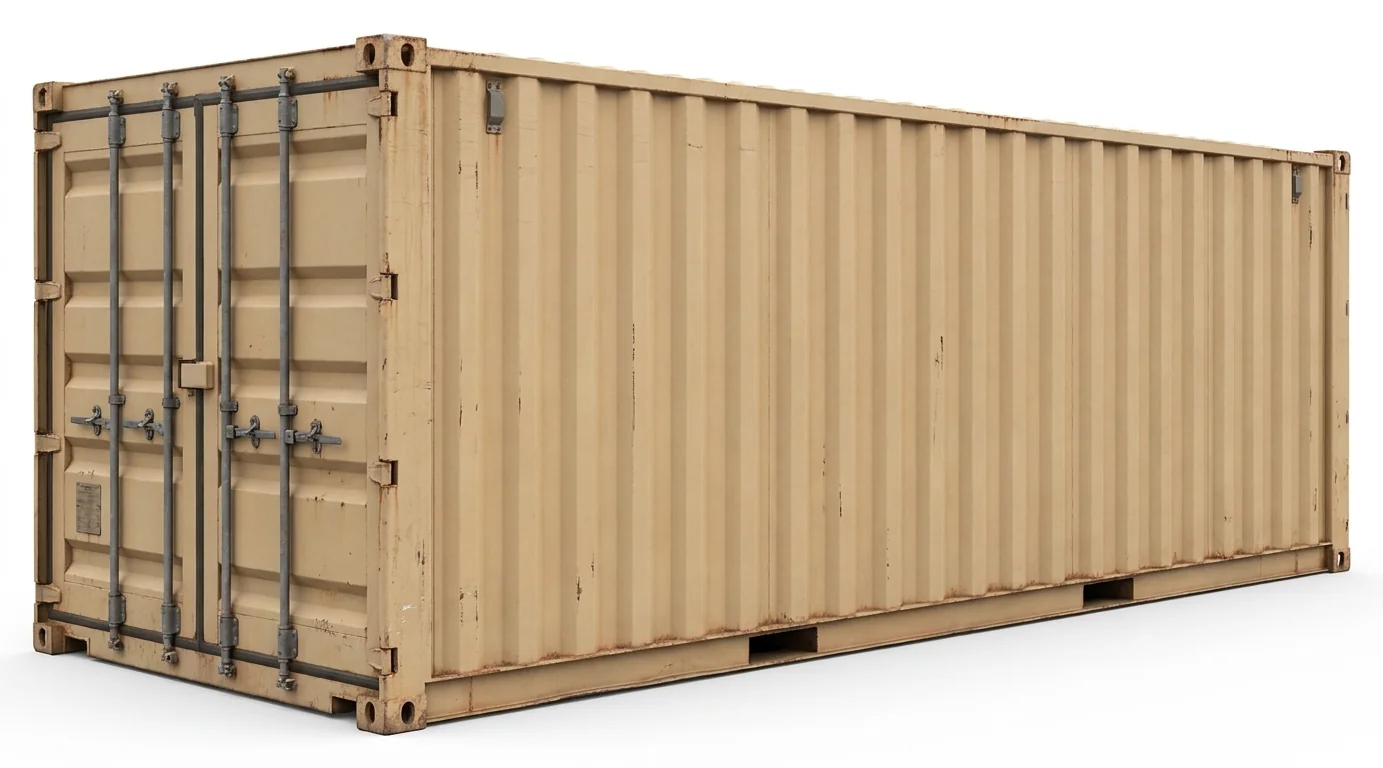
Davenport’s mix of slab yards and softer soils near the river affects container siting. Identify a firm, well-drained pad that keeps doors square in humid seasons and freeze-thaw cycles. If the unit must sit on compacted aggregate, confirm load-bearing and ensure access remains level for pallet jacks and forklifts.
Access geometry and door configuration
- Roll-up vs. swing doors: Swing doors need clear arcs; roll-ups reduce clearance conflicts inside busy loading zones.
- Aisle width: Map forklift turning radii around the container, especially in crowded distribution yards.
- Dock interface: If staging near dock doors, confirm bumper offsets and door thresholds so lifts can enter safely per site procedures.
Size, load, and interior organization
Choose length and height based on parts size and frequency of picks. Heavy components common to local industry benefit from containers with reinforced floors and tie-down points. Shelving, partitions, and weather protection features influence how well the space supports ongoing work without slowing material flow.
Security and visibility on active sites
Containers placed along busy corridors should allow clear sightlines for trucks and aerial equipment. Lighting from nearby towers and reflective markings help reduce conflict points during night or early-morning shifts that are common in regional logistics operations.
Weather considerations
Humidity and seasonal temperature swings can introduce condensation. Vented units and appropriate placement away from standing water reduce moisture exposure to sensitive materials and tools. In winter, verify that access routes will be maintained so doors operate reliably.
Coordinating with lift access
Loading and unloading long or bulky items may require overhead reach or stable slab lifts: - For indoor picks on smooth floors: /electric-scissor-lift-rental/ - For outdoor placement on uneven ground: /rough-terrain-scissor-lift-rental/ - For outreach over stacked goods: /boom-lift-rental/ and /telehandler-rental/